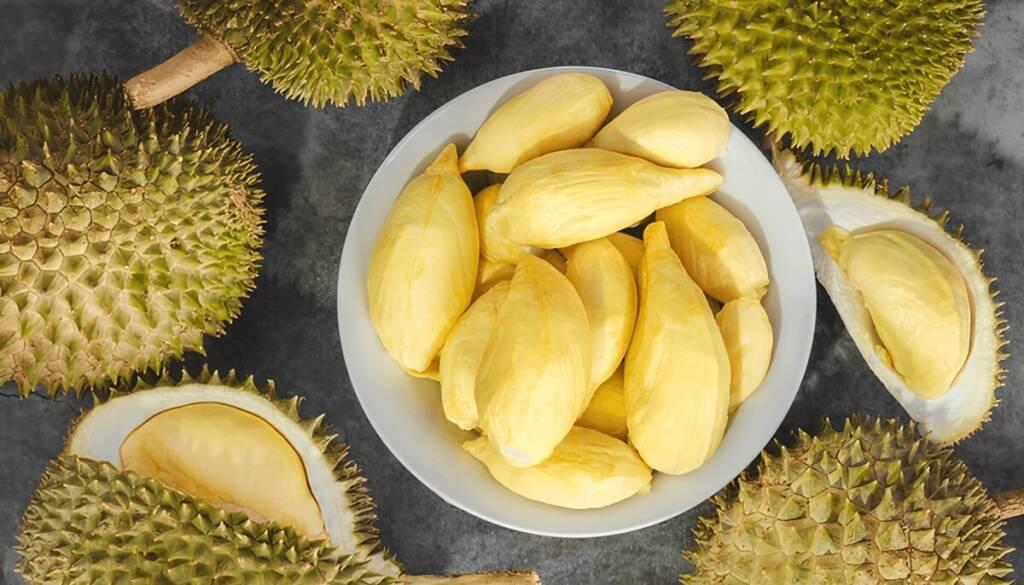
Durians in Singapore: Smelly, Spiky, and Shockingly Expensive (Sometimes)
If you’ve ever walked through a Singapore neighbourhood and wondered, “Why does the air smell like a gym sock lost a fight with a custard tart?” — congratulations, you’ve encountered durian season. Durians, proudly crowned the “King of Fruits,” are loved, feared, banned on public transport, and debated more fiercely than pineapple on pizza.
Despite their intimidating smell and medieval-weapon appearance, Singaporeans adore durians. Eating one is not just snacking; it’s a social event. Friends gather around plastic tables, point dramatically at unopened fruits, and argue about which uncle knows best. It’s loud, messy, and glorious.
Why Do People Love Durians So Much?
To durian lovers, the fruit tastes creamy, sweet, and complex — like vanilla ice cream met caramel, had a conversation, and decided to be dramatic. To durian haters, it tastes exactly how it smells, which is concerning. There is no middle ground.
Different durian varieties add to the drama. There’s Mao Shan Wang (Musang King), the celebrity durian with golden flesh and an ego to match. There’s D24, dependable and affordable. There are Red Prawn, Black Gold, and kampung durians, each with loyal fans who will passionately explain why their favourite is clearly superior and everyone else is wrong.
The Great Durian Price Roller Coaster
Durian prices in Singapore fluctuate more wildly than the emotions of someone waiting for their durian to be opened.
During peak season (usually mid-year), prices can be surprisingly friendly. You might see signs screaming things like “$5 DURIANS!!!”, which cause people to sprint across carparks like it’s a fire drill. At this time, common varieties can cost around S$10–S$15 per kilogram, and even premium durians sometimes become… emotionally affordable.
Outside of peak season, however, durians suddenly remember they are luxury items. Prices jump to S$20–S$30 per kilogram, and premium varieties like Mao Shan Wang can hit S$40 or more. At that point, buying durian feels less like snacking and more like making a financial decision you’ll need to justify later.
Why So Expensive?
First, Singapore imports most of its durians from Malaysia, which means weather, harvest timing, transport, and global demand all play a role. Second, durians are extremely picky. They bruise easily, ripen fast, and have a very short “perfect” window — much like avocados, but louder.
Also, let’s be honest: part of the price is confidence. Durian sellers will look you in the eye and say, “This one very good,” and somehow you’ll believe them enough to hand over S$80.
Final Thoughts: Worth It or Not?
Yes, durians are smelly. Yes, they can be expensive. Yes, you will smell like one after eating it. But in Singapore, durians are not just fruit — they’re culture, entertainment, and seasonal chaos wrapped in spikes.
Whether you’re hunting for cheap kampung durians or splurging on Musang King like royalty, one thing is guaranteed: durian season will always stink — and Singapore wouldn’t have it any other way. 🥭💥