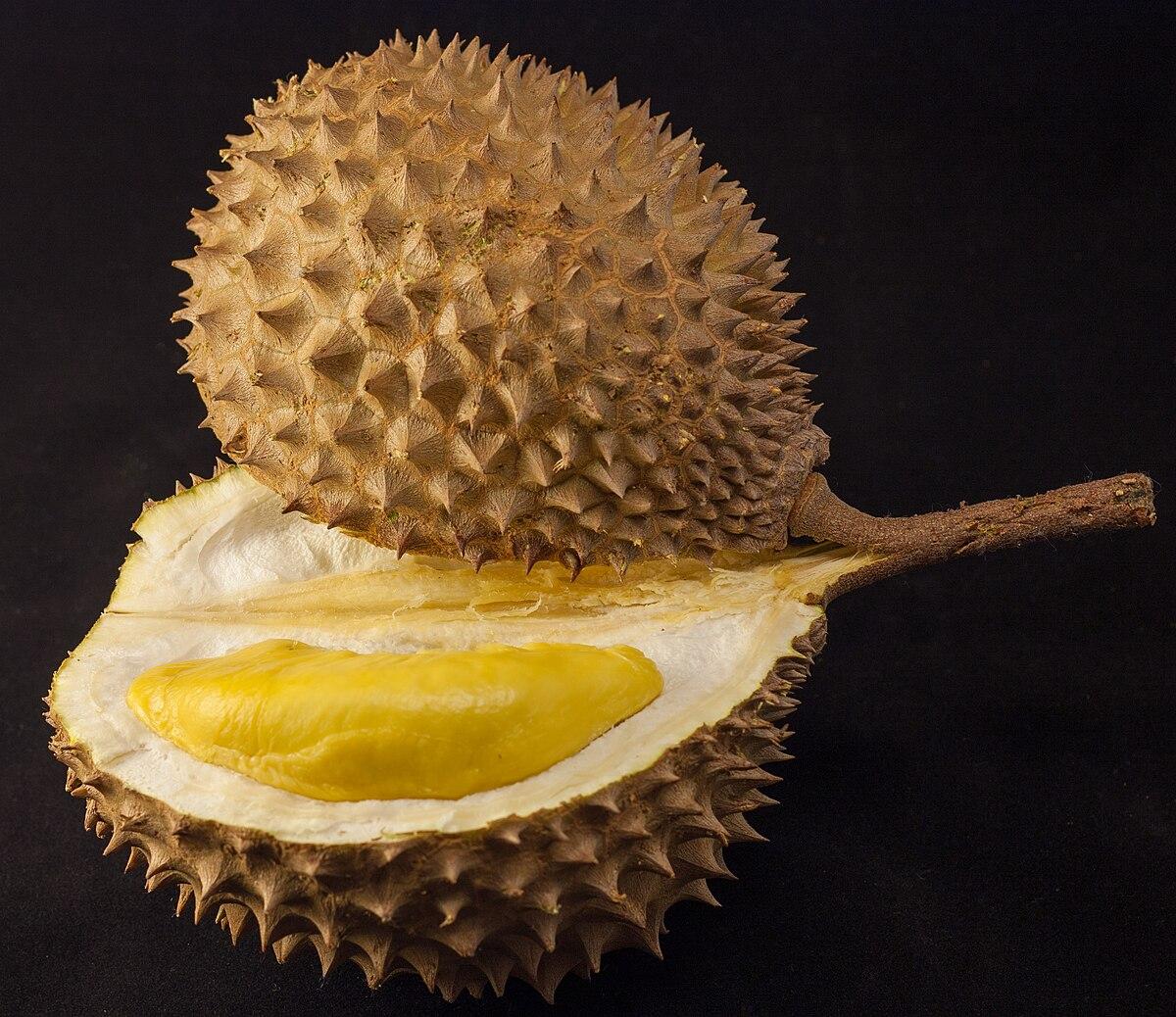
What Are Durians???
Durians are a tropical fruit native to Southeast Asia, famous for their strong aroma, rich creamy flesh, and unique flavour—simultaneously sweet, bittersweet, and custardy. Known locally as the “King of Fruits,” durians are deeply embedded in Singapore’s food culture: local residents, expatriates, and visitors often regard durian feasts as a must-try experience. They are eaten fresh, blended into desserts, used in pastries, or even paired with local dishes like sticky rice. (Flavor365)
Durian varieties are often identified by breed codes (e.g., D24, D13), names (e.g., Red Prawn), or premium trade names (e.g., Mao Shan Wang/Musang King, Black Gold). Premium varieties tend to command higher prices due to flavour, texture, and rarity. (Flavor365)
Why Are Durian Prices in Singapore So Variable?
Several factors influence prices:
🌧️ Supply & Seasonality Singapore imports most of its durians—especially premium types—from Malaysia, particularly from states like Pahang and Johor. Supply fluctuates dramatically with seasonal harvests. Peak durian season is typically June to August with a smaller secondary crop around December to February. During peak harvest, an abundant supply can drive prices down; outside peak, prices are often higher. (Flavor365)
📈 Demand & Export Pressures High global demand—especially from countries like China—can push up prices for premium Malaysian durians. Some growers enter exclusive export contracts, reducing the volume available for Singapore’s local market. (Nasi Kerabu)
🚚 Logistics & Quality Control Durians are perishable and require quick harvesting, grading, and transport. This labour-intensive chain adds cost. Premium fruits that meet specific sweetness and texture profiles are graded and priced accordingly.
Typical Durian Prices in Singapore (2025)
Durian prices in Singapore have varied widely in 2025 depending on variety, season, and supply conditions:
📊 General Market Range
🪩 Seasonal Deals & Promotions
🏷️ Supermarket & Retail Prices
📉 Market Trends
🧠 Extreme Pricing Cases
What This Means for Consumers
In Singapore, durians are more than fruit—they’re a cultural experience and sometimes a seasonal obsession. Whether you pay a premium for top-grade Musang King or hunt for bargains at durian fairs, the price you pay reflects the dynamics of supply, demand, and seasonality in one of Singapore’s favourite indulgences.