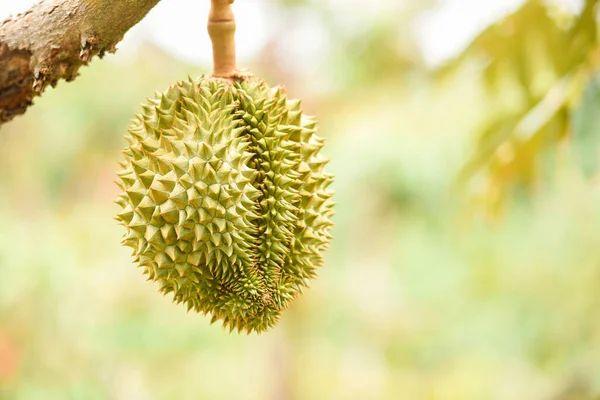
Rain, Sun, and Spikes: How Weather Shapes Durian Prices in Malaysia
In Malaysia, durian prices are never random. For farmers, traders, and consumers alike, the cost of the “King of Fruits” rises and falls with the weather. From monsoon rains to dry spells, climate patterns play a powerful role in determining how many durians reach the market—and how much you’ll pay for them.
1. Durian Is Highly Weather-Sensitive
Durian trees are famously picky. They require specific weather conditions to flower, fruit, and mature properly:
If this balance is disturbed, yields suffer—and prices react almost immediately.
2. Dry Seasons: Lower Supply, Higher Prices
When Malaysia experiences extended dry periods or droughts, several things happen:
With fewer durians reaching markets, popular varieties like Musang King, D24, and Black Thorn become scarce. Scarcity drives prices up, sometimes dramatically. During particularly bad dry seasons, Musang King prices can double compared to peak harvest months.
Ironically, while durians need some dryness to flower, too much heat stresses the trees, reducing yields instead of improving them.
3. Heavy Rain and Monsoon Seasons: Quality Drops, Prices Shift
Malaysia’s monsoon seasons—especially the Northeast Monsoon—bring heavy, persistent rainfall. Excess rain affects durian in different ways:
When rain damages quality, farmers may still harvest large volumes, but premium-grade durians become rarer. As a result:
Consumers may see mixed signals: some stalls offer cheap durians, while top-tier varieties remain costly.
4. Peak Season Weather Brings Price Drops
When weather conditions are just right—short dry spells followed by balanced rainfall—Malaysia experiences a bumper durian season, usually between June to August or during a strong secondary season later in the year.
During these periods:
This is when roadside stalls advertise “durian makan sampai puas” (eat until satisfied), and even premium varieties become relatively affordable.
5. Climate Change and Increasing Price Volatility
In recent years, unpredictable weather patterns linked to climate change have made durian pricing more volatile:
These disruptions make it harder for farmers to plan harvests and for traders to stabilize prices. As a result, consumers now experience sharper price swings compared to the past.
6. Regional Differences Matter
Weather does not affect all durian-growing regions equally. Areas like Pahang, Johor, Penang, and Perak may experience different rainfall patterns at the same time. When one region suffers poor weather, supply from another may partially offset shortages—but for highly localized varieties, prices still spike.
7. What This Means for Consumers
For durian lovers in Malaysia, understanding weather patterns can help you buy smarter:
Watching the skies can sometimes be just as important as checking price boards at the stall.
Conclusion: The Sky Sets the Price
In Malaysia, durian prices are written in the clouds. Rainfall, heat, and seasonal shifts directly shape supply, quality, and cost. As weather patterns grow more unpredictable, durian pricing is becoming less stable—making good seasons more precious and bad seasons more expensive.
For farmers, weather is livelihood.
For sellers, it’s inventory.
For consumers, it’s the difference between a feast and a splurge.
One thing is certain: when it comes to durian, the weather always has the final say 🌦️🥭.